
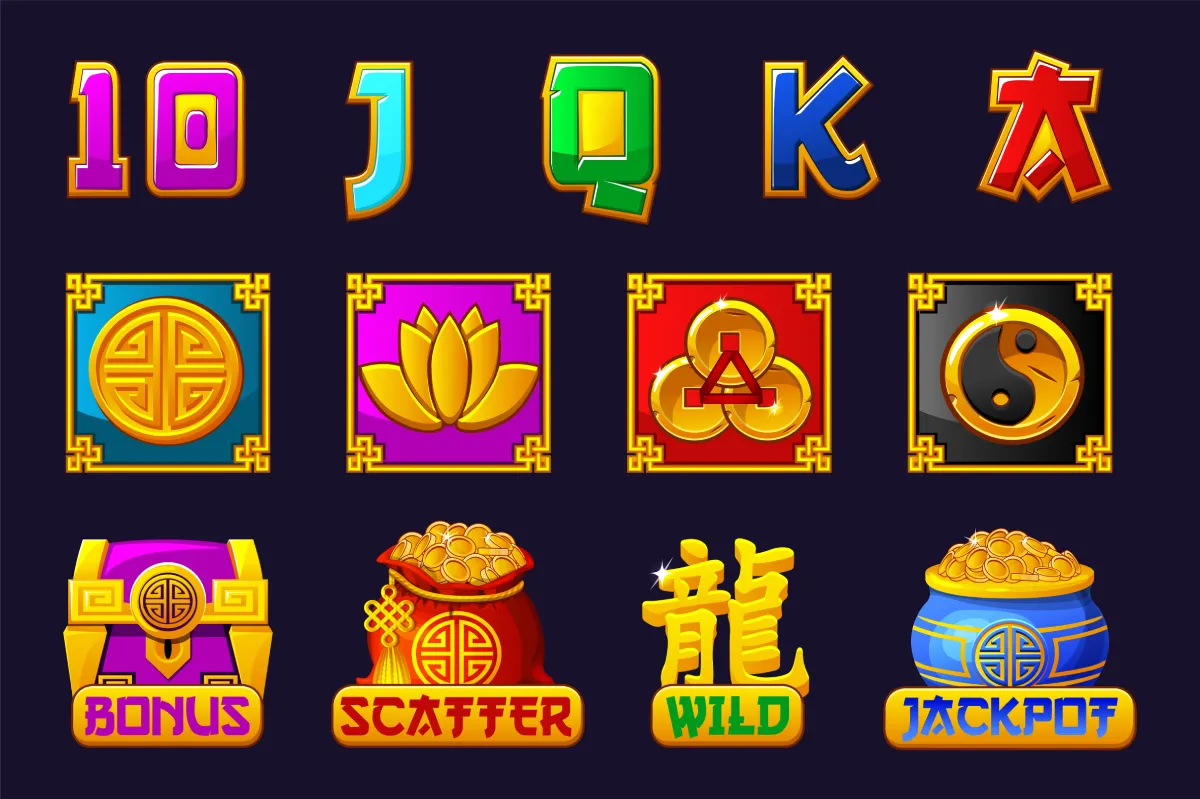
Japanese culture has shaped slot game design in unique ways. Game developers use traditional symbols like cherry blossoms, samurai warriors, and lucky cats to create games that feel authentic and visually appealing. These symbols carry deep cultural meanings that add extra layers to your gaming experience beyond simple decoration.
Traditional Japanese symbols in slot games include lucky cats (maneki-neko), cherry blossoms (sakura), koi fish, dragons, and samurai imagery, each representing specific cultural values like prosperity, beauty, strength, and good fortune. These symbols appear in various ways throughout slot games, from basic icons on the reels to special bonus features that unlock unique gameplay elements.
Understanding what these symbols mean can make your gaming sessions more interesting. The visual designs often draw from traditional Japanese art styles like ukiyo-e woodblock prints. Game designers also incorporate elements from Japanese mythology and folklore to create bonus rounds and special features that connect to the cultural stories behind each symbol.
Significance of Traditional Japanese Symbols in Slot Games
Traditional Japanese symbols in slot games serve purposes beyond decoration. They shape how players connect with the game and influence the entire gaming experience through cultural meaning and visual storytelling.
Cultural Influence on Symbol Selection
Game designers choose Japanese symbols based on their cultural weight and recognition value. You’ll notice that cherry blossoms, koi fish, and lucky cats appear frequently because they carry meanings that translate across different cultures.
Common Symbol Categories:
- Nature elements – Mount Fuji, bamboo, cherry blossoms
- Animals – dragons, koi fish, cranes, tigers
- Cultural icons – samurai armor, geisha fans, temple gates
- Lucky objects – daruma dolls, maneki-neko, fortune coins
These symbols connect to Japanese aesthetics that value harmony and beauty. The selection process considers how each symbol fits within Japanese artistic traditions like Ukiyo-e woodblock prints. Designers research the historical context to ensure symbols represent their cultural roots accurately.
Symbolism and Player Engagement
Symbols work as a bridge between you and the game’s cultural theme. When you see a golden dragon or red torii gate, these images trigger associations with luck, prosperity, and protection that exist in Japanese tradition.
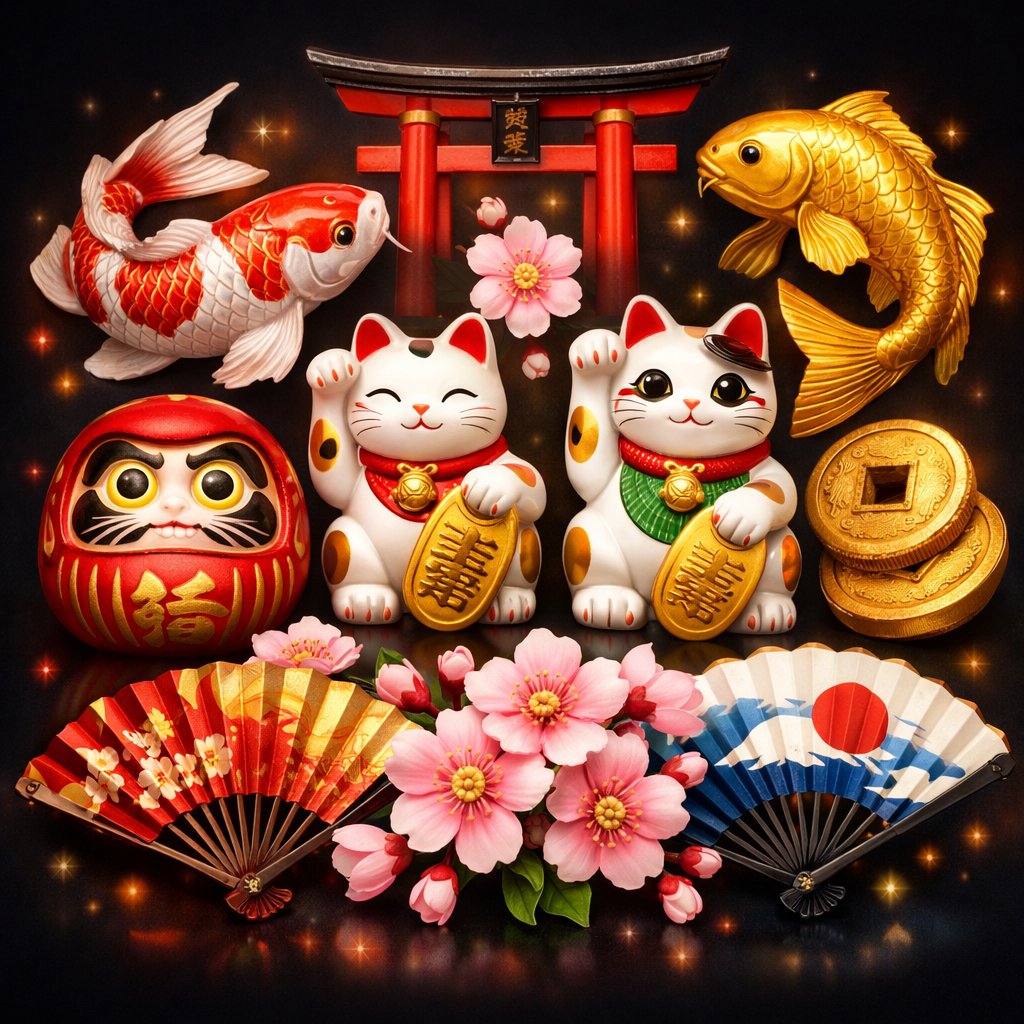
The visual appeal of these symbols draws from centuries of Japanese art. Your engagement increases when symbols carry recognizable meanings rather than serving as random images. A koi fish swimming upstream represents perseverance and strength, which adds depth to your gaming experience.
Game developers use color schemes and design styles rooted in Japanese aesthetics to make symbols more immersive. The detailed artwork inspired by traditional Japanese art forms makes each spin feel connected to a larger cultural narrative.
Role in Storytelling and Themes
Japanese symbols build the narrative framework of slot games. You experience stories about samurai honor, geisha elegance, or mythological adventures through the symbols that appear on the reels.
Each symbol serves as a story element. A samurai sword paired with cherry blossoms might tell a story of warrior beauty and fleeting life. Dragon symbols often anchor themes of power and fortune, while temple bells and lanterns create spiritual or festival atmospheres.
The combination of symbols creates thematic consistency. When you play a game featuring traditional Japanese elements, the symbols work together to transport you into a specific setting or time period. This approach makes the gaming experience feel cohesive rather than scattered.
Popular Traditional Symbols in Japanese-Themed Slots
Japanese slot games feature specific cultural symbols that carry deep meaning in Japanese tradition. Koi fish represent perseverance, maneki-neko cats bring fortune, sakura blossoms symbolize life’s fleeting nature, and daruma dolls embody goal achievement.
Koi Fish
Koi fish appear frequently in Japanese-themed slots as symbols of strength and determination. In Japanese culture, these colorful fish represent the ability to overcome obstacles and achieve success. The symbolism comes from ancient stories of koi swimming upstream against strong currents.
When you see koi fish symbols on the reels, they often trigger bonus features or higher payouts. The fish usually appear in bright colors like orange, white, and red. Game developers choose koi because they create visual appeal while connecting to traditional Japanese values.
Many slots show koi swimming through water or jumping upward. This upward movement reflects the cultural belief in progress and advancement. The symbol resonates with players who understand its deeper meaning beyond just an attractive image.
Maneki-neko
The maneki-neko, or lucky cat, serves as a fortune-bringing symbol in Japanese slot games. You’ll recognize this figure by its raised paw, which appears to be waving or beckoning. Japanese shopkeepers traditionally place these cats in their stores to attract customers and good luck.
Different paw positions carry different meanings in slots. A raised left paw invites customers and players, while a right paw brings wealth and good fortune. Some games use both variations to maximize the luck factor.
The cats typically appear in white, gold, or tri-color designs. Gold maneki-neko specifically represent prosperity and often trigger jackpot features. These symbols work well in slots because they already represent luck and winning in Japanese culture.
Sakura Blossoms
Sakura, or cherry blossoms, symbolize the temporary nature of life in Japanese philosophy. These delicate pink flowers bloom for only a short period each spring. Slot games use them to create visually stunning displays and represent the fleeting moments of potential wins.
You’ll find sakura symbols often trigger free spin rounds or scatter pays. The flowers usually appear as individual blossoms or full branches. Their soft pink color provides contrast against darker game backgrounds.
Game designers pair sakura with other traditional elements like temples or Mount Fuji. The blossoms add an authentic Japanese aesthetic that appeals to players interested in cultural themes.
Daruma Dolls
Daruma dolls represent goal-setting and perseverance in Japanese tradition. These round, red dolls depict Bodhidharma, the founder of Zen Buddhism. You purchase them with blank eyes, then fill in one eye when setting a goal and the other when achieving it.
In slot games, daruma symbols often appear as wild symbols or bonus triggers. Their distinctive red color and mustached face make them instantly recognizable on the reels. The symbolism of completing goals aligns perfectly with the slot player’s objective of winning.
Some games incorporate the eye-filling tradition into their bonus mechanics. You might collect daruma symbols to complete a set and unlock special features. This interactive element adds depth to the traditional symbol’s meaning.
Mythological and Folklore-Inspired Symbols
Japanese slot games feature creatures from ancient myths that represent power, wisdom, and transformation. Dragons bring fortune and strength, while shape-shifting animals like foxes and raccoon dogs add mystery and playfulness to the gaming experience.
Dragons and Tengu
Dragons in Japanese mythology differ from Western dragons because they protect rather than threaten. You’ll see them depicted as long, serpentine creatures without wings. They control water, rain, and storms, which made them vital symbols for agricultural communities that depended on good weather.
Dragon symbols in slots typically represent:
- Wealth and prosperity
- Divine protection
- Natural power and wisdom
Tengu are supernatural creatures that appear as half-human, half-bird beings. They live in mountains and forests. Traditional stories describe them as skilled warriors and sometimes troublemakers. In slot games, you’ll usually see them with red faces and long noses, wearing traditional monk robes.
Tengu symbols add an element of unpredictability to gameplay. Their dual nature as both protectors and tricksters makes them perfect for bonus features or wild symbols.
Kitsune and Tanuki
Kitsune are magical foxes that can change their shape into human form. The more tails a kitsune has, the older and more powerful it becomes. Nine-tailed foxes represent the highest level of power and wisdom. They serve as messengers for Inari, the Shinto deity of rice and prosperity.
You’ll find kitsune portrayed as either benevolent or mischievous in slot games. Their connection to prosperity makes them natural symbols for jackpot features.
Tanuki are raccoon dogs known for their playful nature and shape-shifting abilities. They symbolize good luck and financial success. Traditional art shows them with large bellies and prominent features that represent abundance and joy.
Oni Masks
Oni are demon-like creatures that appear in Japanese folklore as fierce supernatural beings. They have horns, sharp teeth, and brightly colored skin, usually red or blue. While oni represent evil forces in traditional stories, they also serve as protectors against bad luck and disease.
Slot games use oni masks as high-value symbols or special bonus triggers. The dramatic appearance of these masks creates visual excitement on the reels. Their dual role as both threatening and protective makes them versatile symbols for different game features.
Symbolism in Bonus Features and Game Mechanics
Japanese slot games use traditional symbols in their bonus features to create meaningful connections between cultural imagery and game rewards. These symbols appear as wilds, scatters, and bonus triggers that unlock special features while maintaining their cultural significance.
Wild and Scatter Symbol Designs
Wild symbols in Japanese-themed slots often feature powerful cultural icons like dragons, samurai swords, or sacred torii gates. These images carry meanings of strength and transformation in Japanese tradition, which matches their function of substituting for other symbols to create winning combinations. Dragons represent power and good fortune, making them natural choices for wild symbols that can change your game outcomes.
Scatter symbols typically showcase objects of spiritual importance like cherry blossoms, temple bells, or lucky coins. The maneki-neko (beckoning cat) frequently appears as a scatter symbol because it traditionally invites good fortune and prosperity. You’ll find that three or more scatter symbols trigger special features, mirroring the cultural belief that multiple blessings bring greater rewards.
Game designers pair these symbols with visual effects that reflect their traditional meanings. A dragon wild might appear with flames or wind effects, while a cherry blossom scatter could feature falling petals.
Bonus Game Triggers
Specific combinations of traditional Japanese symbols activate bonus rounds that often tell visual stories. The daruma doll, a symbol of perseverance and goal achievement, frequently triggers bonus features where you reveal prizes or advance through levels. This connects the mechanical function to the cultural meaning of the daruma’s association with wishes coming true.
Koi fish symbols may trigger pick-and-win bonuses, reflecting their symbolism of determination and success in Japanese culture. You might see three koi symbols opening a bonus game where you select from multiple options. Temple or shrine symbols often unlock interactive features where your choices matter, connecting to the cultural practice of making offerings and receiving blessings.
Free Spin Symbol Representations
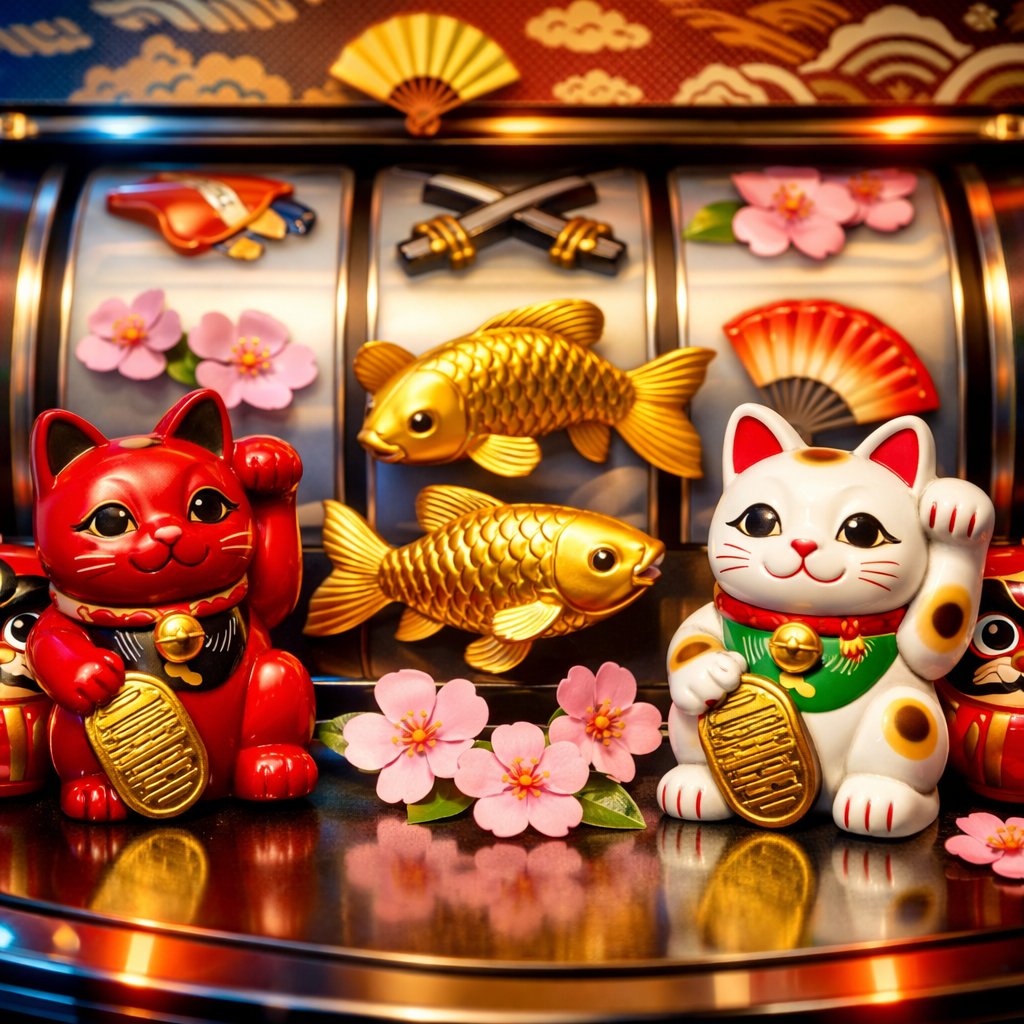
Free spin features in Japanese slots use symbols that represent continuation and renewal. Mount Fuji symbols can trigger free spins because the mountain represents endurance and eternal presence in Japanese culture. Landing three or more often awards you 10 to 20 free spins with enhanced multipliers.
The rising sun symbol connects to themes of new beginnings and appears frequently as a free spin trigger. Your free spin rounds might include expanding symbols or sticky wilds featuring traditional imagery like bamboo stalks or paper lanterns. Japanese fans and umbrellas also serve as free spin symbols, representing protection and good fortune during the bonus rounds. These symbols typically require specific reel positions or quantities to activate the feature.
Visual Design and Artistic Influence
Japanese slot games draw heavily from centuries-old art forms like Ukiyo-e woodblock prints and Sumi-e ink paintings. These traditional styles shape everything from character designs to background elements, while calligraphy and color choices add deeper layers of cultural meaning.
Use of Traditional Japanese Art Styles
Ukiyo-e woodblock prints appear frequently in slot game designs, bringing their characteristic bold outlines and flat color planes to digital screens. You’ll notice these prints most often in games featuring geishas, samurai, or scenic landscapes. The detailed linework and vibrant compositions translate well to slot reels.
Sumi-e ink painting influences games that aim for a more minimalist aesthetic. This style uses black ink and simple brushstrokes to create images that feel both elegant and understated. Game developers apply this technique to create atmospheric backgrounds and subtle symbol designs that don’t overwhelm your eyes.
Some games blend multiple art styles within a single interface. You might see Ukiyo-e-style characters placed against Sumi-e backgrounds, creating visual depth while maintaining cultural authenticity.
Integration of Calligraphy
Japanese calligraphy serves both decorative and functional purposes in slot games. Kanji characters often appear as high-value symbols on reels, representing concepts like fortune, prosperity, or strength. The brushstroke quality of these characters adds an authentic touch that machine-generated fonts cannot replicate.
You’ll find calligraphic elements in game titles, bonus round announcements, and special feature indicators. Designers carefully select writing styles that match the game’s overall theme. A samurai-themed slot might use bold, aggressive strokes, while a zen garden game employs softer, flowing lines.
Color Symbolism in Slot Icons
Red dominates Japanese-themed slots because it represents good fortune and joy. You’ll see it in temple gates, lucky cat figures, and celebration symbols. Gold appears on high-value icons to signify wealth and prosperity.
White carries meanings of purity and new beginnings, often used for cherry blossoms or sacred symbols. Black provides contrast and represents formality or mystery in character designs.
Game developers pair these colors strategically. A bonus symbol might combine red and gold to emphasize its value, while scatter symbols use white and pink for cherry blossom themes that trigger free spins.