
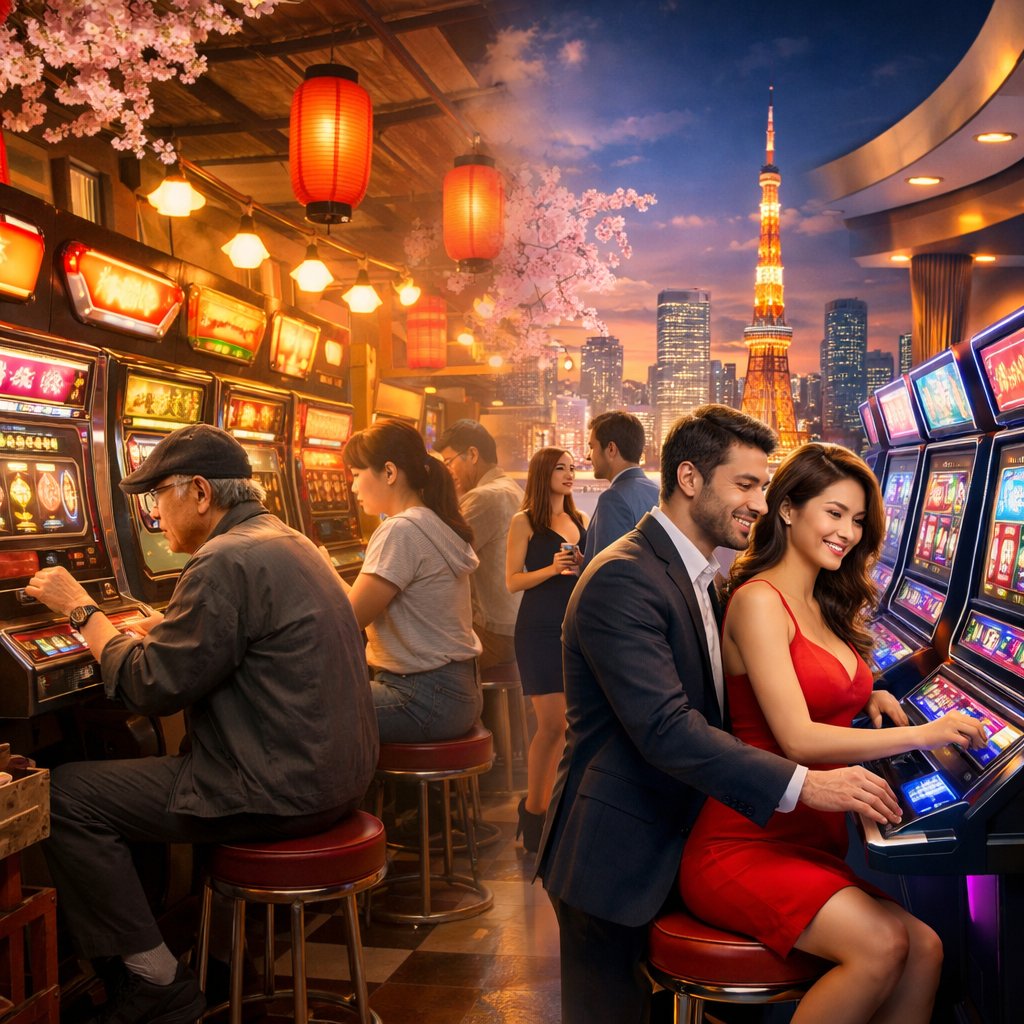
Japan’s gaming culture has shaped slot machines in ways that reach far beyond its borders. Japanese arcade traditions, particularly pachinko and pachislot machines, have directly influenced modern slot design through their unique blend of skill-based elements, visual storytelling, and engaging sound effects. These games emerged in the 1920s and evolved into cultural icons that would later inspire casino developers worldwide.
You might not realize it, but when you play certain slot games today, you’re experiencing decades of Japanese innovation. The country’s approach to gaming machines differs from Western traditions. Japanese developers focused on creating immersive experiences that combine arcade-style gameplay with gambling mechanics.
This influence continues to grow as casino gaming expands globally. From the neon-lit pachinko parlors of Tokyo to online slots featuring samurai and cherry blossoms, Japanese gaming culture has left its mark on the industry. Understanding this connection helps explain why modern slots look and feel the way they do.
The Evolution of Slot Gaming in Japan
Japan’s slot gaming culture developed through centuries of traditional gambling practices, the widespread popularity of pachinko parlors, and the gradual integration of electronic gaming technology that transformed how Japanese players engage with slots today.
Roots in Traditional Japanese Gaming
Japanese gambling traditions stretch back to the feudal era when various games were popular across different social classes. These early practices laid the foundation for modern gaming culture in the country.
Traditional card games and dice-based gambling were common forms of entertainment during this period. The cultural acceptance of these activities created a social environment where gaming could evolve over time.
When you look at Japan’s gaming history, you see how these traditional practices influenced later developments. The social aspect of gathering to play games became a key feature that carried forward into pachinko parlors and modern gaming establishments.
Transition from Pachinko to Modern Slots
Pachinko emerged as Japan’s most iconic gaming format and dominated the landscape for decades. By 2023, the pachinko and slot market generated over ¥25 trillion in revenue.
The mechanical nature of pachinko machines shared similarities with early slot machines. Players experienced the physical satisfaction of watching metal balls cascade through pins, creating an engaging sensory experience.
As technology advanced, pachinko parlors began introducing slot-style machines alongside traditional pachinko. These machines incorporated digital displays and bonus features while maintaining the cultural appeal Japanese players expected. Over 45% of Japanese players now prefer slots with cultural motifs that reflect their heritage.
The average player spends 85 minutes per session on slot games. This extended gameplay shows how modern slots successfully captured the engagement that pachinko provided.
Adoption of Electronic Gaming Machines
Electronic gaming machines transformed Japan’s slot landscape in the 2000s and 2010s. Video slots brought anime themes, popular characters, and advanced graphics to gaming floors.
Mobile slot gameplay represents the newest evolution. By 2025, mobile slot gameplay is projected to increase by 60% compared to previous years. This shift reflects how Japanese players adapted to gaming on smartphones and tablets.
Seven out of ten users claim slot bonuses weekly. These digital features add layers of engagement that weren’t possible with mechanical machines. Record jackpots, including an ¥850 million win in Osaka in 2022, demonstrate the scale that electronic slots achieved.
Influence of Japanese Arcades on Slot Machine Design
Japanese arcade games introduced bold visual designs, compelling character-driven narratives, and player-focused interface innovations that modern slot machines now use as core design elements.
Integration of Visual and Audio Effects
Japanese arcades pioneered the use of bright, attention-grabbing colors and rapid visual feedback systems. Game centers filled entire floors with flashing lights, animated sprites, and layered graphics that kept players engaged. Modern slot machines adopted these same principles to create visually stimulating experiences.
You’ll notice today’s slots use cascading symbols, particle effects, and screen-wide animations borrowed directly from arcade design language. The timing of these effects matters too. Japanese designers understood that visual rewards needed to appear instantly when you pressed a button or scored points.
Sound design followed similar patterns. Arcade cabinets used distinct audio cues for every action, from coin insertion to game over screens. Slot machines now feature layered soundtracks, victory jingles, and ambient music that shift based on your gameplay state.
Key Visual Elements:
- Vibrant color palettes with high contrast
- Character animations during bonus rounds
- Progressive reveal systems for wins
- Screen transitions between game states
Role of Storytelling and Characters
Arcade games from Japan built worlds around memorable characters and ongoing narratives. Fighting games introduced roster-based storytelling. Rhythm games created mascots that players formed connections with over time.
Slot developers recognized this approach increased player retention. Modern slots now feature recurring characters across multiple games, building franchises rather than standalone titles. You might encounter the same protagonist in different themed slots from one developer.
Story progression became a mechanical element too. Some slots unlock narrative chapters as you play, revealing plot points through bonus rounds. Others use character dialogue and cutscenes between spins, techniques lifted straight from visual novels and Japanese RPGs.
The gacha mechanics popular in Japanese arcades also influenced how slots present character collections and achievements.
User Experience Innovations
Japanese arcades focused on intuitive controls that anyone could understand within seconds. Button layouts followed consistent patterns across different game types. This accessibility made arcades welcoming to new players while maintaining depth for experienced ones.
Slot machines adopted this design philosophy through simplified interfaces and clear visual hierarchies. You can identify paylines, bet amounts, and bonus triggers at a glance. Touch-screen slots borrowed gesture controls from arcade rhythm games and mobile titles.
The concept of skill-stop features came directly from Japanese pachisuro machines, giving you limited control over reel timing. Quick-spin options and turbo modes trace back to arcade games that rewarded fast reflexes. Even the physical button feedback on modern slots mimics the satisfying click of arcade cabinet controls.
Cultural Impact and Themes in Japanese Slots
Japanese slot games stand out through their deep connection to the country’s entertainment culture and traditional imagery. These games blend modern pop culture with historical symbols to create unique experiences that resonate with players both in Japan and internationally.
Anime and Pop Culture Integration
Anime-themed slots dominate the Japanese gaming market. Developers frequently partner with popular manga and anime franchises to create officially licensed games. You’ll find slots based on well-known series featuring familiar characters, storylines, and visual styles that fans recognize instantly.
These games use authentic voice actors from the original shows and include animated cutscenes that play during bonus rounds. The integration goes beyond simple character placement. Developers recreate the exact art style and incorporate plot elements from the source material into game mechanics.
Pachislot machines in Japan take this further by using high-quality video displays and sound systems. The machines transform into mini entertainment centers that feel like playing through episodes of your favorite shows.
Symbolism and Iconography
Traditional Japanese symbols appear frequently in slot games. Cherry blossoms, koi fish, dragons, and lucky cats (maneki-neko) serve as common slot symbols. These icons carry specific cultural meanings that Japanese players understand immediately.
You’ll also see imagery from festivals, traditional architecture, and historical periods like the samurai era. Mount Fuji, torii gates, and Japanese gardens create atmospheric backgrounds. Gold and red colors dominate many designs since these represent prosperity and good fortune in Japanese culture.
Some games incorporate kanji characters and traditional patterns like waves or clouds. These design choices connect modern slot gameplay to centuries-old artistic traditions.
Appeal to Domestic Audiences
Japanese slot games cater specifically to local preferences. The pacing tends to be faster than Western slots, matching the energy of pachinko parlors. Games include frequent small wins rather than rare large jackpots, which suits the Japanese gambling style.
Sound design plays a major role. Japanese slots use energetic music, voice lines, and sound effects that create an immersive atmosphere. The audio feedback for wins is deliberately exciting and celebratory.
Many games also include skill-stop features that let you stop reels manually. This gives players a sense of control over outcomes, even though results remain random. The feature appeals to Japanese players who value participation in their gaming experience.
Transition to Casino-Style Slots
Japan’s gaming landscape underwent a major shift when lawmakers approved casino development in 2016. The country adapted its existing slot culture to meet international casino standards while maintaining unique Japanese characteristics.
Legalization of Casinos in Japan
Japan passed the Integrated Resort Implementation Act in 2018, allowing casinos to operate legally for the first time. The government authorized three casino resort licenses across the country. This decision ended decades of debate that started around 2003.
The new law came with strict regulations. Casinos must be part of larger integrated resorts that include hotels, conference centers, and entertainment venues. Japanese citizens face entry fees and visit limits to address gambling addiction concerns.
A 2017 national survey found Japan’s gambling addiction rate matched other countries. This data helped lawmakers create responsible gaming rules. The resorts aim to attract international tourists while protecting local residents.
Adaptation of Slot Machines for Casinos
Casino slots in Japan differ from traditional pachinko and pachislot machines. The new casino slots follow international gaming standards with digital displays and random number generators. You’ll find them arranged in rows like Western casinos rather than the vertical pachinko parlor setup.
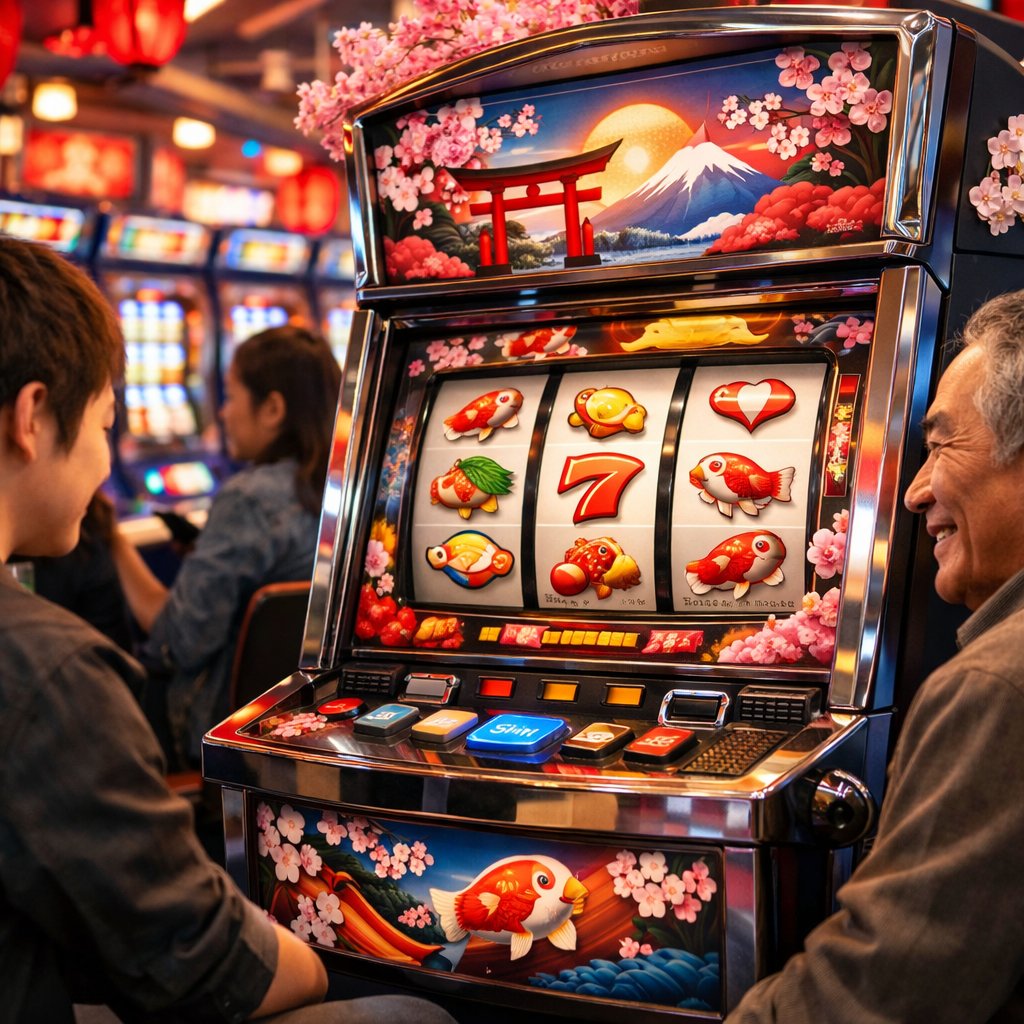
Japanese slot makers incorporated familiar design elements into casino machines. Many games feature anime themes, traditional folklore, and pop culture references. The graphics and sound effects match the high production values you expect from Japanese gaming companies.
These casino slots operate on different mechanics than pachislot machines. They use standard casino payout systems instead of the token exchange method common in pachinko parlors. The betting limits and return-to-player percentages follow international casino regulations.
Shift in Player Demographics
Casino slots attract different players than traditional pachinko parlors. International tourists represent a key target audience for the new casino resorts. You’ll find younger players who prefer modern casino environments over traditional gaming halls.
The demographic split created two distinct markets. Older generations continue visiting pachinko parlors for familiar gameplay and social atmosphere. Younger Japanese players and foreign visitors prefer casino-style slots with international game titles.
Online casino platforms expanded during this transition period. Many Japanese players discovered casino slots through digital platforms before physical casinos opened. This online exposure changed player expectations and preferences for slot gaming experiences.
Japan’s Influence on the Global Slot Industry
Japanese gaming technology has spread far beyond its borders, reshaping how slot machines work and look around the world. The country’s unique approach to gaming entertainment has led to new partnerships and design choices in casinos everywhere.
Export of Pachislot Machines
Japanese manufacturers have worked to bring pachislot machines to international markets since the 1990s. Companies like Konami, Sega Sammy, and Universal Entertainment adapted their pachislot designs for Western casinos. These machines needed changes to meet different gambling laws and player preferences in other countries.
The export process wasn’t simple. Pachislot machines in Japan use a skill-stop feature that lets players stop reels manually. Many international markets don’t allow this feature because regulators require pure chance-based games. Japanese companies had to redesign their products while keeping the visual appeal and engaging gameplay.
Key adaptations for export included:
- Removing skill-stop buttons
- Adjusting payout percentages to match local regulations
- Simplifying bonus systems
- Converting yen to local currencies
Collaborations with International Developers
Major slot manufacturers worldwide now partner with Japanese game studios and entertainment companies. You’ll find slots based on Japanese video games, anime, and manga in casinos across North America, Europe, and Asia. These partnerships bring recognizable characters and stories to slot machines.
International Gaming Technology (IGT) and Aristocrat have both created slots featuring Japanese intellectual properties. Games based on popular anime series and video game franchises attract younger players who grew up with these characters. The collaboration works both ways, as Japanese developers gain access to established casino networks while Western companies get fresh content.
These partnerships also include technology sharing. Japanese companies bring their expertise in graphics, sound design, and player engagement systems. Western manufacturers contribute their knowledge of casino operations and regulatory compliance.
Adoption of Japanese Features Worldwide
Casino slot manufacturers worldwide now use design elements that started in Japanese gaming. The most obvious is the focus on detailed graphics and animation. Japanese games emphasized visual storytelling and character development long before Western slots did.
Bonus rounds in modern slots often mirror Japanese game design. You’ll see multi-stage bonus features, persistent state mechanics, and skill-based bonus games inspired by pachislot. These features keep players engaged longer than traditional spin-and-win formats.
Japanese-inspired features now common in global slots:
- Multiple LCD screens for bonus content
- Licensed character themes from games and anime
- Mission-based progression systems
- High-quality 3D graphics and animations
- Sound effects and music that respond to gameplay
The emphasis on entertainment value over pure gambling has changed player expectations. Modern slot players want an experience, not just a chance to win money.