
Online slot games have found a winning combination in Japanese art styles. Japanese design brings together simple visuals, cultural depth, and calming elements that make slot games more engaging and enjoyable for players. These design choices go beyond just looking good on screen.
Japanese art offers something different from typical slot game themes. You might notice bamboo forests, traditional woodblock print styles, or peaceful zen gardens when you play these games. These elements create a gaming experience that feels both relaxing and exciting at the same time.
The influence of Japanese culture on slot design touches many areas. It affects how stories unfold in games, how colors and symbols work together, and even how players interact with the game itself. Understanding why these design choices work so well can help you appreciate what makes these slots stand out from the rest.
The Allure of Japanese Art Styles in Modern Slot Games
Japanese art brings a unique blend of visual simplicity and cultural depth to slot game design. The style offers developers a way to create games that stand out while appealing to players who value both beauty and meaning.
Origins of Japanese Influence in Casino Gaming
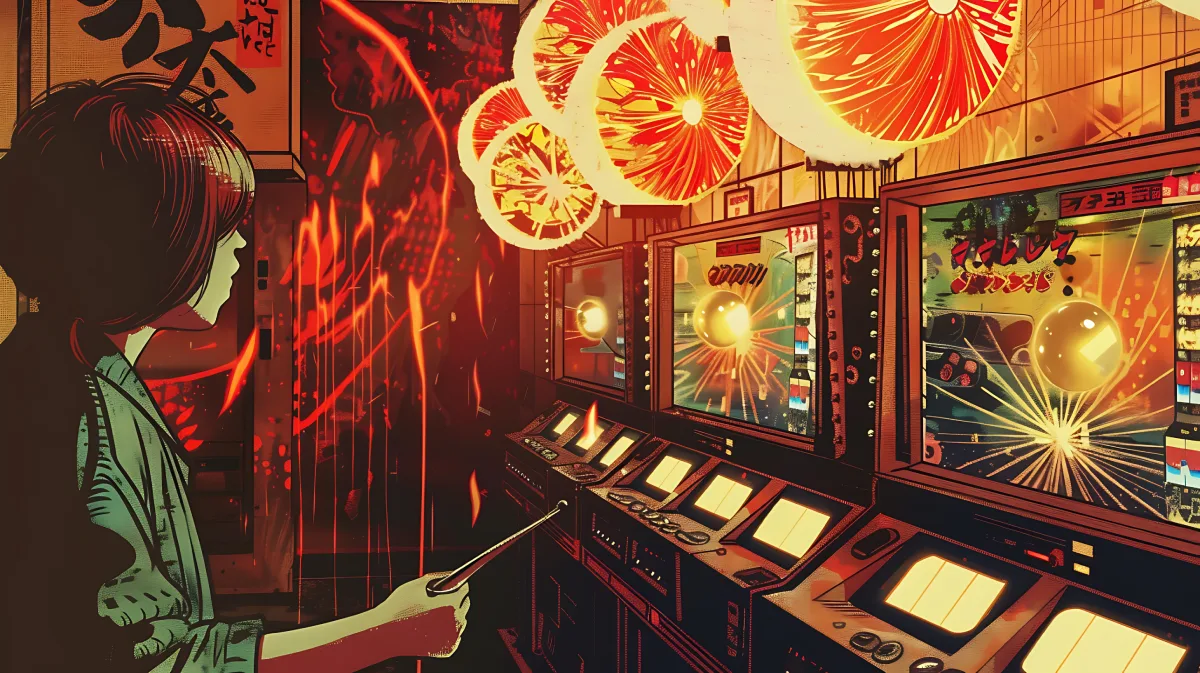
The connection between Japanese design and casino games started with Pachinko machines. These vertical pinball-style games have been popular in Japan since the 1940s. Their bright lights, rapid gameplay, and random outcomes shaped how modern slot developers think about player engagement.
Casino game makers began looking to Japanese art in the early 2000s. They found inspiration in traditional forms like Ukiyo-e woodblock prints and Sumi-e ink paintings. These art styles offered something different from typical casino imagery.
The timing made sense. Online casinos needed fresh themes to attract players. Japanese culture was gaining global attention through anime, manga, and video games. Developers realized they could tap into this interest by using authentic Japanese artistic elements in their slot designs.
Distinctive Visual Elements Popular in Slot Themes
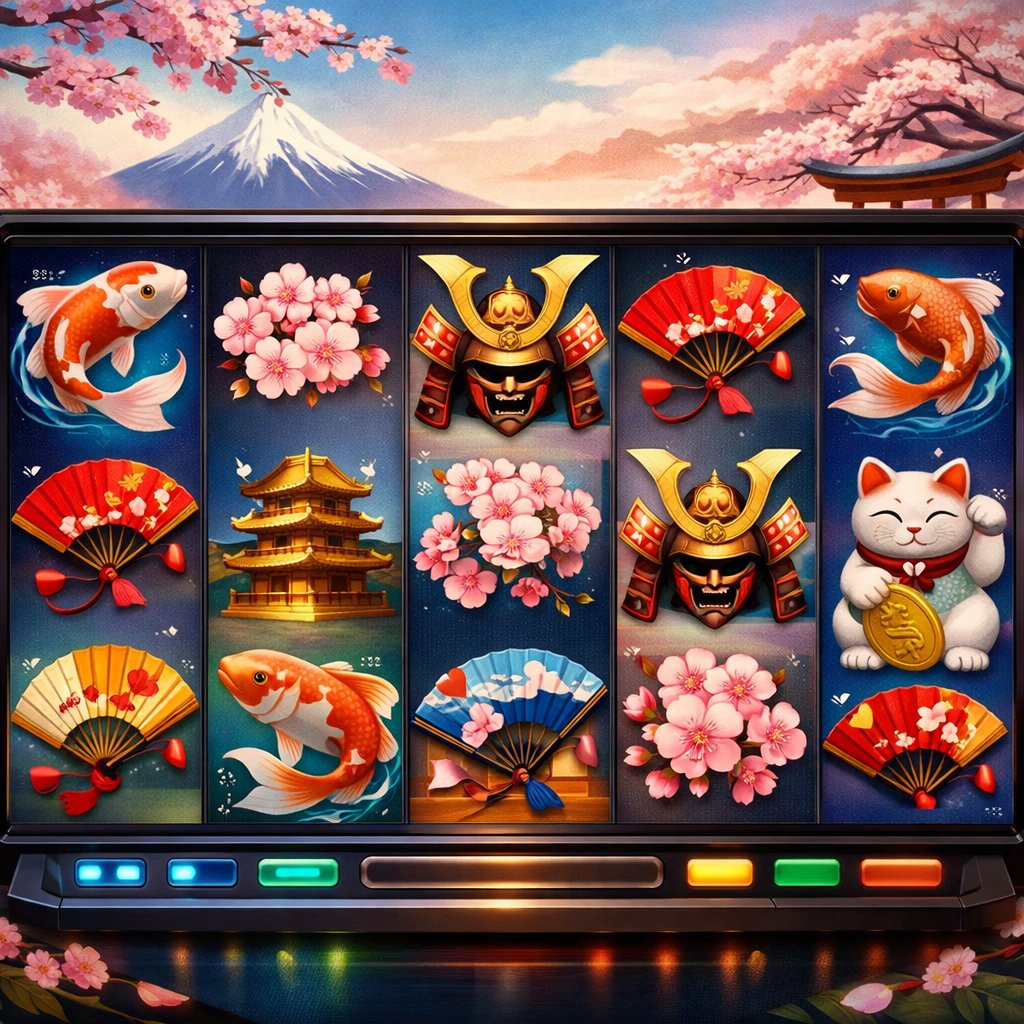
Japanese art styles give slot games several recognizable features. Cherry blossoms, koi fish, dragons, and Mount Fuji appear frequently as symbols. These images carry cultural meaning that adds depth to the gaming experience.
The color palettes often draw from traditional Japanese art. You’ll see deep reds, golds, and blacks combined with softer pinks and blues. This creates contrast while maintaining visual harmony.
Japanese calligraphy serves as both decoration and game element. The elegant characters work well as high-value symbols. They add authenticity that players notice and appreciate.
Minimalist design principles influence the layout. Games inspired by Zen aesthetics use empty space effectively. This approach prevents visual clutter and keeps your focus on what matters during gameplay.
Appeal to Diverse Global Audiences
Japanese-themed slots attract multiple player groups. Fans of Japanese culture seek out games that reflect their interests. These players value accuracy and attention to detail in how cultural elements are presented.
The aesthetic appeals beyond just culture enthusiasts. The clean lines and balanced compositions attract players who prefer visually calming games. This differs from the busy, flashy designs common in many other slot themes.
Asian markets represent a significant portion of online casino players. Games featuring familiar cultural imagery create comfort and connection. The themes feel relevant rather than foreign.
Western audiences find Japanese art exotic yet accessible. The popularity of Japanese entertainment media has created familiarity with the visual style. You don’t need deep cultural knowledge to appreciate the beauty and craftsmanship.
Core Characteristics of Japanese Aesthetics
Japanese aesthetics emphasize clean design, natural elements, and balanced color choices that create visual peace without overwhelming the viewer. These principles shape everything from traditional art to modern digital design.
Minimalism and Simplicity in Layouts
Japanese design removes unnecessary elements to focus on what matters most. This approach, rooted in Zen philosophy, creates space for your eyes to rest and your mind to focus on key visual elements.
You’ll notice this in the concept of “ma,” which refers to negative space or emptiness. This isn’t just blank area. It’s an active design choice that gives meaning to the elements around it.
Key minimalist principles include:
- Clean lines that guide your eye naturally
- Limited elements on each screen or canvas
- Purposeful placement where every item has meaning
- Breathing room between visual components
The result is design that feels calm rather than cluttered. You don’t need to search for information because the layout directs you naturally to important elements.
Nature-Inspired Symbolism and Patterns
Japanese art draws heavily from the natural world. Cherry blossoms represent the fleeting nature of life. Waves symbolize strength and persistence. Bamboo stands for flexibility and resilience.
Mountains, clouds, and seasonal flowers appear frequently in traditional patterns. These aren’t just decorative choices. Each element carries cultural meaning that Japanese audiences recognize instantly.
You’ll see motifs like:
- Pine trees for longevity
- Cranes for good fortune
- Maple leaves for the passage of time
- Koi fish for perseverance
These natural symbols connect modern design to centuries of artistic tradition. They create familiarity and emotional resonance for viewers.
Color Palettes and Visual Harmony
Japanese color theory focuses on balance and subtle transitions. Traditional palettes use earth tones, soft pastels, and deep accent colors that complement rather than clash.
The concept of “wa” (harmony) guides color selection. You’ll see combinations like deep indigo with white, soft pink with gray-green, or red with black and gold. These pairings feel natural because they mirror colors found together in nature.
Colors also carry seasonal associations. Spring brings pale pinks and soft greens. Summer uses deeper blues and vibrant reds. Fall features burnt oranges and golden yellows. Winter employs whites and cool grays.
This thoughtful approach prevents visual fatigue. Your eyes move comfortably across the design without jarring color shifts or overwhelming contrasts.
Storytelling Traditions Shaping Slot Narratives
Japanese art has a history of narrative that goes back centuries through scrolls, prints, and literature. These storytelling methods now influence how online slot games build their themes and connect with players.
Integration of Mythology and Folklore
Japanese mythology offers slot designers a rich collection of characters and stories to work with. Gods like Amaterasu, the sun goddess, and creatures like kitsune (fox spirits) and tanuki (raccoon dogs) appear regularly in slot themes. These figures bring recognizable narratives that players can follow through bonus rounds and game features.
The tradition of e-maki scrolls from the Heian period showed how Japanese artists told stories through sequential images. Modern slot games use this same approach when you trigger story-based features that unfold across multiple screens. Each spin can reveal part of a larger tale, similar to how viewers once unrolled scrolls to discover what happened next.
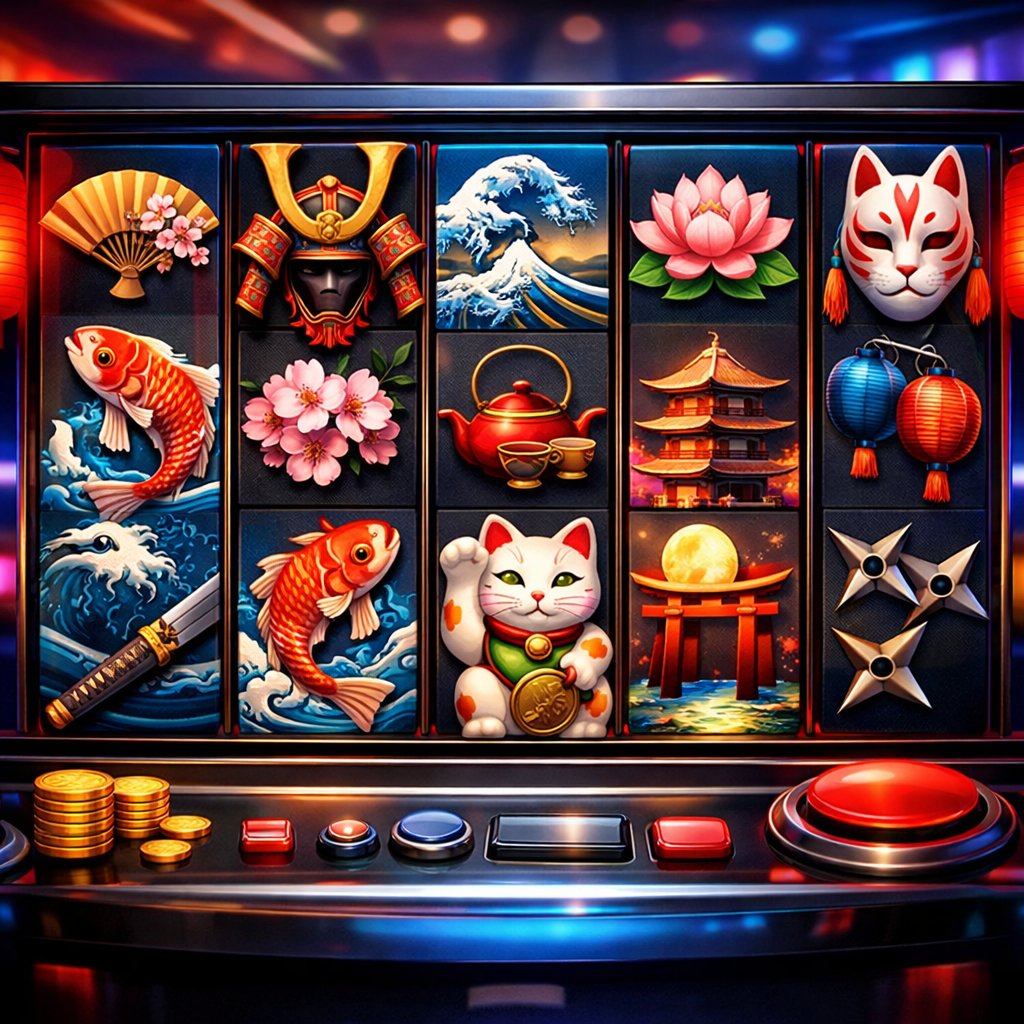
Folklore elements add depth to game mechanics. Dragons might guard treasure in bonus rounds, while lucky symbols like daruma dolls or maneki-neko cats trigger special features. These aren’t random choices. They connect to stories and beliefs that have meaning in Japanese culture, making the gameplay feel more substantial than just spinning reels.
Manga and Anime Adaptations in Game Design
Manga and anime storytelling techniques translate well into slot game design. The bold visual style, with its strong outlines and expressive characters, grabs your attention on small screens. Anime’s use of dramatic reveals and cliffhangers fits naturally with bonus features and progressive jackpots.
Character development from anime influences how slot games present their mascots and symbols. You might see characters that level up or evolve as you play, borrowing from popular anime tropes. The panel-based layout of manga appears in multi-window features where several story elements play out at once.
Action sequences from anime inspire animated win celebrations. When you hit a winning combination, the screen might explode with effects that mirror anime battle scenes. This creates excitement and keeps you engaged between spins.
User Experience: Engagement and Immersion
Japanese art styles create deeper player connections through carefully crafted visual elements, authentic audio design, and clean interfaces that reduce confusion while increasing enjoyment.
Interactive Features Driven by Japanese Design
Japanese design principles shape how you interact with slot games through simple, purposeful features. The concept of “ma” (negative space) influences button placement and screen layout, giving you room to focus on important elements without distraction.
Many games use origami-inspired animations for bonus reveals. These folding transitions feel satisfying because they unfold gradually rather than appearing instantly. Cherry blossom petals might float across your screen to indicate wins, creating a gentle reward system that feels less aggressive than flashing lights.
The minimalist approach means you spend less time figuring out complex menus. Japanese-themed slots often limit features to essential functions, making navigation feel natural. This design philosophy respects your time and attention.
Interactive elements often mirror traditional Japanese games and crafts. You might arrange koi fish in a bonus round or complete a simple tea ceremony sequence. These activities feel familiar even if you’ve never experienced the real versions.
Soundscapes and Music from Traditional Roots
Traditional Japanese instruments create distinct audio environments in slot games. You’ll hear the koto (stringed instrument), shakuhachi (bamboo flute), and taiko drums blending with modern sound design.
These sounds trigger different responses than typical slot machine audio. The gentle pluck of a koto feels calming rather than urgent. Taiko drums build excitement during bonus rounds without creating stress.
Many games use authentic recordings rather than synthesized versions. This attention to detail makes the experience feel more genuine. The spaces between notes matter as much as the notes themselves, following Japanese musical traditions.
Sound effects match visual actions precisely. When symbols land, you might hear the soft tap of a calligraphy brush or the rustle of silk fabric. These details reinforce the theme without overwhelming you with constant noise.
Intuitive Interface Inspired by Cultural Norms
Japanese design values clarity and order, which translates to clean game interfaces. You’ll find important information organized in distinct zones rather than scattered across the screen.
The concept of “kanso” (simplicity) guides button design and menu structure. Pay tables use clear iconography that you can understand at a glance. Text appears in easy-to-read fonts with proper spacing.
Color coding follows natural associations from Japanese culture. Red often signals important actions, while blue indicates calm areas. These choices feel intuitive even if you’re unfamiliar with the cultural context.
Game controls typically stay in consistent positions across different titles. This standardization means you spend less time learning new layouts. The interface becomes invisible, letting you focus on gameplay rather than navigation.
Cultural Sensitivity and Ethical Considerations
Using Japanese art in online slot design requires careful attention to accuracy and respect. Game developers must avoid reducing rich cultural traditions to shallow stereotypes while maintaining authentic artistic elements.
Respectful Representation of Japanese Themes
Japanese aesthetic tradition views art as a way to build moral virtues and respect for others. This philosophy means slot designers must approach Japanese themes with genuine understanding rather than surface-level copying.
Developers should research the actual meanings behind symbols like cherry blossoms, koi fish, or torii gates. Cherry blossoms represent the temporary nature of life in Japanese culture, not just pretty flowers. Using these symbols correctly shows respect for their deeper significance.
Working with cultural consultants or Japanese artists helps ensure accurate representation. These experts can identify when a design crosses into disrespectful territory. They can also suggest authentic color palettes, patterns, and compositions that align with traditional Japanese design principles.
The concept of wabi-sabi, which values imperfection and simplicity, offers guidance for thoughtful design choices. Slot games that embrace these authentic principles create more meaningful experiences than those that simply paste Japanese imagery onto generic templates.
Avoiding Stereotypes in Visuals and Narratives
Common mistakes include overusing geishas, samurai, or ninjas without proper context. These figures have specific historical and cultural roles that go beyond costume or decoration.
Problematic approaches to avoid:
- Using broken or incorrect Japanese text as decoration
- Mixing Chinese and Japanese symbols randomly
- Depicting all Japanese characters with exaggerated features
- Treating religious symbols like Buddha statues as mere decorative elements
Game narratives should also move beyond tired plots about mysterious Eastern wisdom or martial arts masters. Japanese culture includes modern innovation, diverse art forms, and complex social traditions. Slot games can showcase Japanese technology, contemporary art movements, or seasonal festivals without relying on outdated tropes.
Background music and sound effects need the same careful consideration. Traditional instruments like the shamisen or koto should be recorded properly, not synthesized poorly.